
 E-Paper



Punjab rice millers seek extra labour costs for 10% broken rice segregation
Before implementing the decision, central ministry and Food Corporation of India (FCI) officials reached Chandigarh to meet the rice millers of the state and take them into confidence

 Prefer HTon Google


During a meeting with officials of the Centre’s ministry of food and public distribution, Punjab rice millers on Monday demanded additional labour costs for segregating 10% broken rice while processing paddy for custom milled rice (CMR) to be handed over to the central pool for the upcoming season starting October 1.
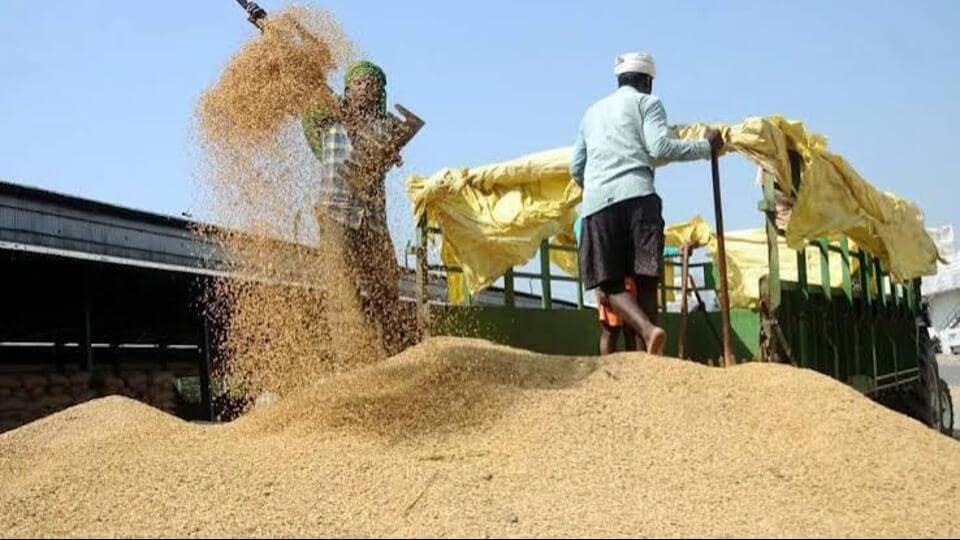
Before implementing the decision, central ministry and Food Corporation of India (FCI) officials reached Chandigarh to meet the rice millers of the state and take them into confidence
“The millers’ industry agreed to cooperate in implementing the new system. However, we asked for the additional costs arising from increased milling, processing, electricity, labour, quality testing and storage being imposed on rice millers,” said Bharat Bhushan Binta, president of the rice millers association.
He said this after meeting with joint secretary-level officials from the ministry and the executive director of the FCI, along with other members of the association. Sanjeev Chopra, secretary of the ministry, chaired the meeting online.
The Centre is targeting the supply of segregated broken rice to the ethanol industry to meet its high demand for raw material, aiming to produce bio-fuel that will be blended with petrol at a 20% ratio to create E20 fuel.
“Rice mills would have to undertake additional sorting, grading and processing to produce rice meeting the improved quality specifications. This would increase the usage time of the machinery, increased power consumption, and more labour requirements, leading to increased processing cost,” Binta told the officials.
The rice millers also demanded that 25% of the total rice supplied to the central pool be segregated during the first year of mandatory separation. Meanwhile, state procurement agencies expect 180 lakh tonnes of paddy to arrive at the mandis, which will yield 120 lakh tonnes of rice for the central pool.
“If Punjab supplies approximately 120 lakh metric tonnes of rice to the central pool, the quantity of improved (segregated rice) should be capped at a maximum of 30 lakh metric tonnes,” said Ranjit Singh Jossan, a basmati exporter and vice-president of the rice millers association.
The association demanded that the milling charge be increased to at least ₹50 per quintal against the existing charges of ₹2.23 per quintal which according to Binta is far below the actual cost involved.
If the government requires millers to produce rice of a higher quality, the additional actual cost associated with the process must also be reimbursed. Assigning additional work and responsibility to the industry without compensation will result in additional expenditure making it financially unviable, it said.
There are 5,500 rice mills in the state that process paddy for custom milled rice and premium basmati paddy for export purposes.
The association described the storage of 100% broken rice as a primary challenge caused by the new policy.
Jossan said during the previous season, millers had to store 100% broken rice from improved rice within their own mill premises for eight to 10 months.
He told ministry officials that this not only led to extra storage costs but also caused a space shortage in the mills for processing the new paddy crop.
Calling the existing storage charge of ₹1.23 per quintal per month as inadequate, the millers demanded a minimum storage charge of ₹8 per quintal per month, making the plea that the central government provides ₹10.78 per quintal for government warehouses and ₹3.96 per quintal for open storage to state governments.
An FCI official stated that a final decision on the millers’ demand will be communicated at a later date.


