E-Paper



Delhi PWD shifts to more ‘durable’ precast drain boxes for stormwater system
The shift is a part of an ongoing citywide drain remodelling exercise aligned with the drainage master plan, under which 20 tenders have already been floated.

 Prefer HTon Google


The Public Works Department (PWD) has initiated a new construction approach for storm water drains across Delhi, mandating the use of precast drain boxes in place of the conventional cast-in-situ method, an official aware of the development said on Saturday.
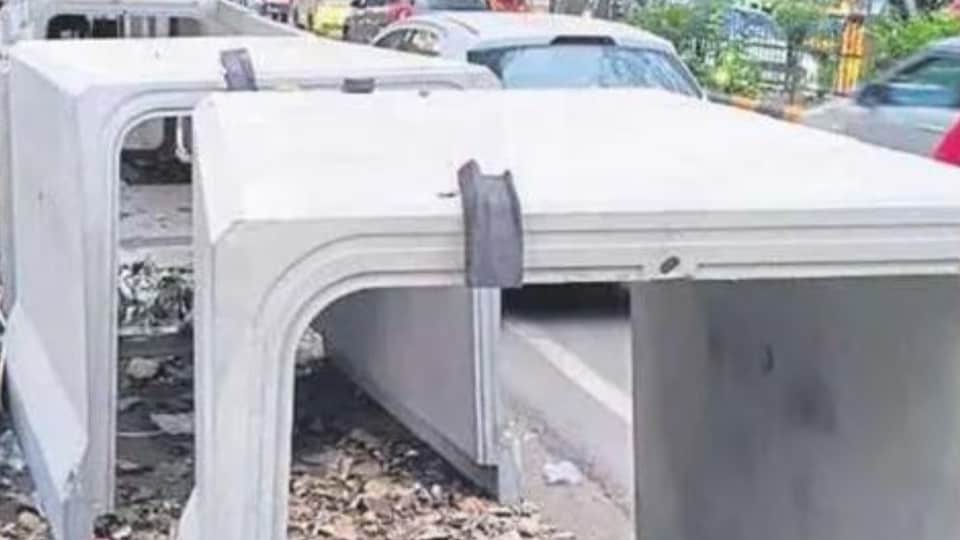
The shift is a part of an ongoing citywide drain remodelling exercise aligned with the drainage master plan, under which 20 tenders have already been floated. Work has commenced in Shalimar Bagh and is expected to expand to other parts of the city in phases, the official said.
Faster execution, improved durability
Precast drain boxes improve durability, reduce construction time, and minimise on-site pollution. Moreover, unlike the traditional cast-in-situ method, where raw materials such as cement, sand and aggregates are mixed and poured directly at the construction site, precast drain boxes are manufactured in controlled factory settings.
Also read | PWD plans to renovate 'jinxed' Shamnath Marg bungalow in Delhi
“The biggest advantage of precast drain boxes is the uniform quality and faster execution. Since these structures are manufactured off-site, it significantly reduces the time taken for installation and minimises disruption on roads,” PWD minister Parvesh Verma said.
50-year lifespan and reduced disruption
The precast drain boxes also come with a 50-year warranty, offering a longer lifespan compared to conventional drains.
“We are adopting modern construction techniques to ensure that storm water drains are built faster, last longer and cause minimal inconvenience to the public,” the minister said.
However, officials clarified that the transition is not absolute. A hybrid model is being followed to address on-ground conditions. While precast drain boxes are being deployed in stretches with straight drainage lines, the cast-in-situ method continues to be used in curves or complex connections.
“The precast system works best in straight alignments where installation is straightforward. In areas with bends or irregular layouts, in-situ construction is best to ensure proper connectivity and flow,” another official explained.