
 E-Paper



US-Iran war latest: JD Vance says US weighing safe Hormuz route for ships as Iran reiterates demands
JD Vance said that he felt quite confident, adding that “some progress” has been made in the Iran talks.

 Prefer HTon Google


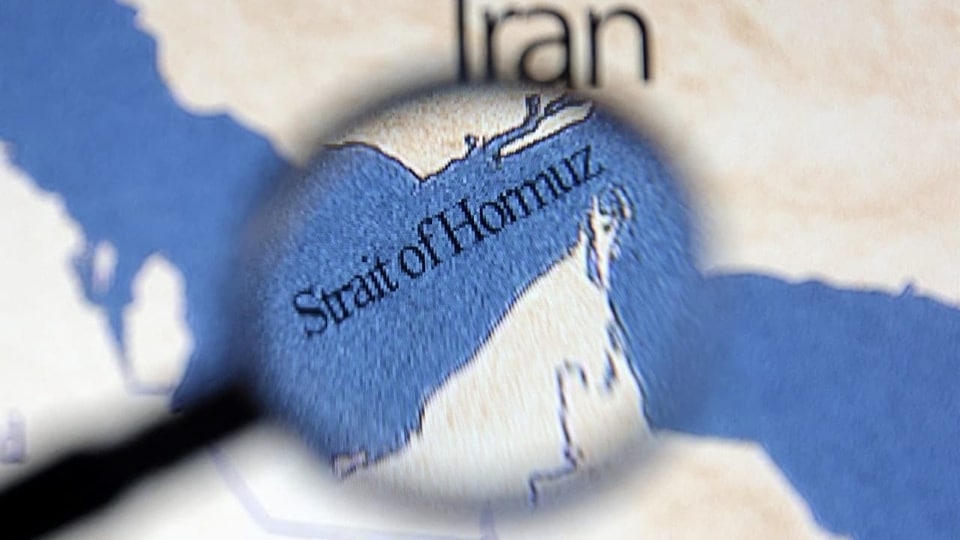
US Vice President JD Vance said on Saturday that Washington was ‘in the middle of the game’ in the Iran situation, trying to establish ‘a safe route’ in the Strait of Hormuz, even as Iran reiterated conditions for its reopening.
In an interview that aired on Fox News, Vance said that the US was applying 'a host of diplomatic, economic and military tools' to ensure America gets the best outcome.
Vance said that he felt quite confident, adding that “some progress” has been made in the Iran talks.
“Our expectation is you're going to see the same amount of oil and gas come out of the Gulf that you saw before the conflict started, and that is what the Iranians have told us that they are going to do. But you know, we don't trust. We verify,” Vance said. “We actually look not at people's words but people's deeds” he said
“What we're really working through now is how you can actually set up a traffic scheme so that the ships that pass can pass through safely. That includes, of course, demining,” Vance added.
Iran puts conditions
Iran said on Saturday that it’s “very close” to a deal with Oman on a new maritime transit route in the Strait of Hormuz, but also put conditions for the reopening of the key waterway. The Supreme National Security Council said the Strait of Hormuz will not open until the United States "corrects its behaviour," issuing new demands that could shake up talks on a deal to manage the waterway.
The list includes:
1. An end to US threats and insults
2. A permanent end to US wars against Iran and its allies in Lebanon, Palestine, Yemen, and Iraq
3. Lifting the naval blockade and withdrawing US forces
4. $300 billion in compensation for war damages
5. Lifting all sanctions
6. Unconditional release of all frozen assets
7. Iran's right to charge up to 7% on cargo
8. A ban on US and Israeli vessels
9. A 20% violation toll on ships if conditions are breached
Also Read | Iran threatens to hit Gulf states if US launches new strikes
Iran's state broadcaster published the statement by the council's secretary, Mohammad Bagher Zolghadr, who is also a commander in the Islamic Revolutionary Guard.
The US must never threaten Iran again, the statement said, and must permanently end the war with Iran and its armed allies in the region. The US must lift the naval blockade of Iranian ports and withdraw its military from the area. It also must "completely compensate" Iran for war damage, lift sanctions and "unconditionally" release frozen assets.
Iran’s foreign minister, Abbas Araghchi, said that negotiators are closing in on temporary lanes for ships entering and exiting the Persian Gulf. He cautioned that any agreement would not result in an immediate reopening of the strait, signalling that any respite for energy supplies may be limited.
The ceasefire between the US and Iran lasted less than a month before collapsing over disagreements about control of Hormuz.
What Oman said
Oman's foreign ministry said on Saturday that "ongoing negotiations regarding navigation arrangements in the Strait of Hormuz are proceeding in a positive and constructive atmosphere", and urged against any actions that might jeopardise the progress.
The statement condemned "repeated attacks on vessels transiting the Strait of Hormuz", without naming Iran.
Abu Dhabi National Oil Company (ADNOC) said one of its vessels was targeted by missiles while transiting the Strait of Hormuz early on Saturday, the United Arab Emirates’s state-run WAM news agency reported. The attack caused no injuries, and the situation has been brought under control, it added. Three other ships from the UAE’s biggest oil producer were attacked this week.
The incident highlights the ongoing risks for shippers attempting to cross during the conflict, as Iran insists on asserting control over the Strait of Hormuz.
Will the US accept the deal?
It’s unclear how the United States, which Iran insists is not part of the deal for the Strait of Hormuz, will respond to a final agreement. US President Donald Trump has insisted for months that navigation through Hormuz must be resumed unimpeded, threatening fresh attacks on Iran if it fails to reopen the waterway.
The US has also maintained a blockade on Iranian ports. Reuters reported that the US will lift the naval blockade once a deal between Oman and Iran to restore commercial shipping is announced, citing a US official. A deal, the official said, is expected soon.
Any deal for the Strait of Hormuz will need to be approved by Iran’s Supreme Leader, Mojtaba Khamenei, and Iranian officials have said that it takes time to reach him, potentially delaying any announcement. There’s no indication yet as to whether Khamenei has given his assent to the current plans.
Oil prices have swung between gains and losses this week, as traders monitored the prospects of a deal that’s expected to clear the way for millions of barrels of supply from the Persian Gulf to be restored. Brent settled above $83 a barrel, notching a third straight weekly loss.


