
 E-Paper



HT Picks; New Reads
The list of interesting reads this week includes a story of six women and six men struggling to keep their balance in a metropolis that affords them little power or hope, another that lays bare Nathuram Godse’s relationship with the organizations that influenced his world view and gave him a sense of purpose, and a children’s book that includes stories from 15 mothers from different parts of India who write about themselves as children

 Prefer HTon Google


A novel in twelve parts
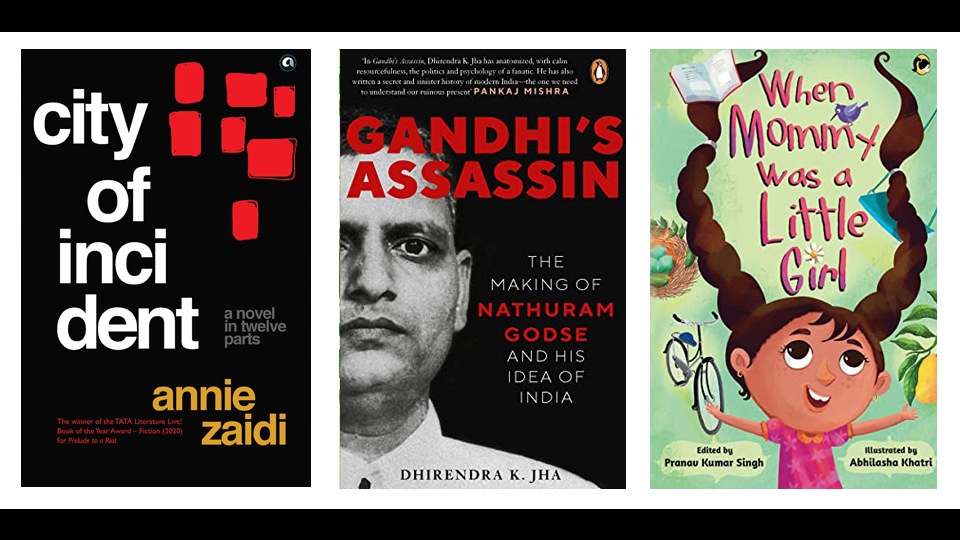
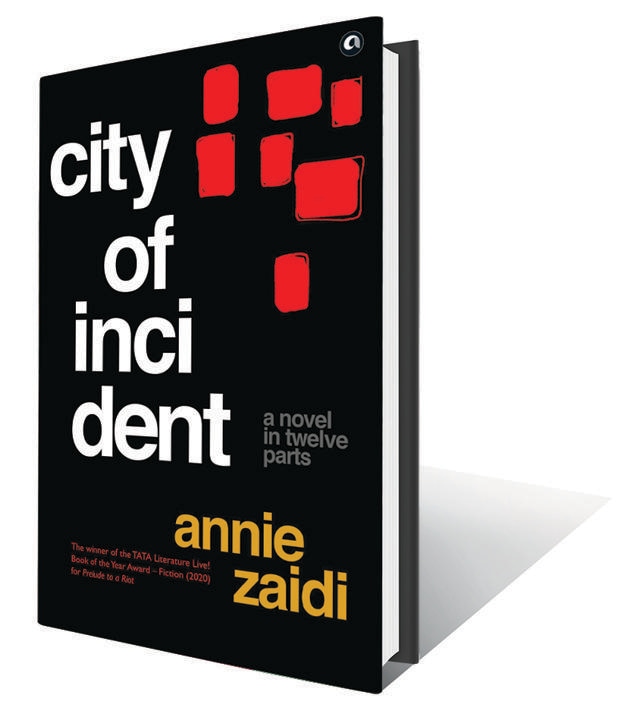
City of Incident tells the story of six women and six men, each of them struggling to keep their balance in a metropolis that affords them little power, little hope, and little chance of redemption. Their stories twine together to give us an unsettling look into the lives that take place on the peripheries of our vision.
These are people you may encounter on the Metro, glimpse from the window of your car, or read about in brief items on the inside pages of the newspaper. They might be among those who watch as you hurry past, from silent balconies, under flyovers, and behind the glass partition at the bank: people who don’t particularly interest you until a fragile moment shatters.
The lives of the characters in City of Incident coalesce into a great darkened lens that presents an unnerving view of a great city and its most powerless inhabitants.*
The Making of Nathuram Godse and his Idea of India
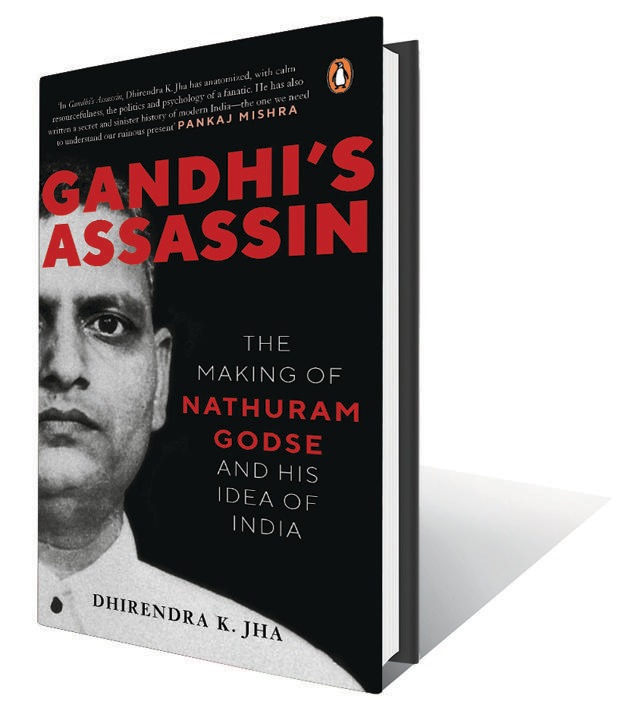
A confirmed bigot and an oddball, the man who became Gandhi’s assassin was something of a miracle baby. Born to Brahmin parents after several stillbirths, Nathuram Godse started off as a child mystic. However, success in everything serious – studies or work – eluded him. The expectations and frustrations that mark the path of young men who cannot cope with the changing tides form the basis of Dhirendra K Jha’s spectacular study of this disaffected youth. Godse was one of hundreds, and later thousands of young Indian men to be steered into the sheltering fold of early Hindutva. As disruptions to history evolved new social structures, these men were caught by ideologues, cocooned in a community, and coached and readied for action.
Gandhi’s Assassin: The Making of Nathuram Godse and His Idea of India lays bare Godse’s relationship with the organizations that influence his world view and gave him a sense of purpose. The book draws out the gradual hardening of Godse’s resolve and the fateful decisions and intrigue that eventually led to, in the chaotic aftermath of India’s independence in 1947, Mahatma Gandhi’s assassination. On a wintry Delhi evening on 30 January 1948, Godse shot Gandhi at point blank range, forever silencing the great man. Godse’s journey to this moment of international notoriety from small towns in western India is, by turns, both riveting and wrenching.
Drawing from previously unpublished archival material, Jha challenges the sanitization of Gandhi’s assassination and offers a stunning view on the making of independent India.*
On the child who became the woman
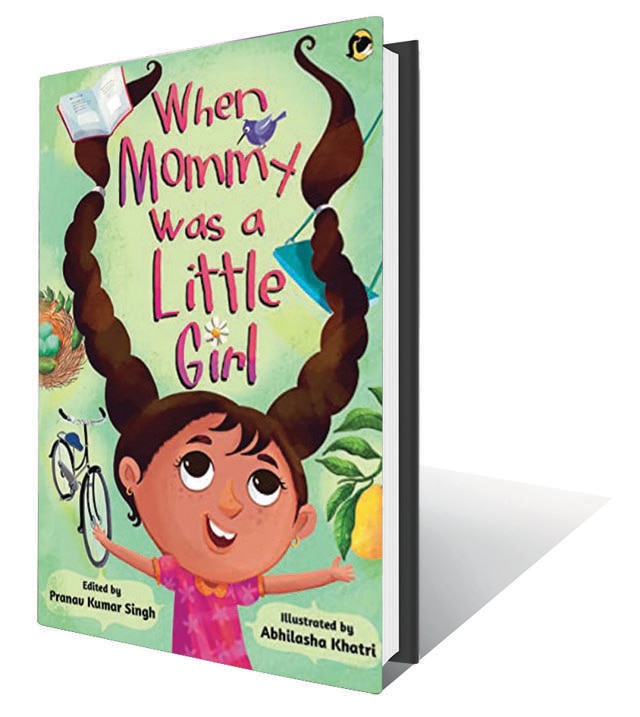
In this book for children, 15 mothers from different part so India ask their readers if they have ever imagined their mother as a little girl, and if they have ever wondered what she was like in her childhood. “Was she well behaved or a mischievous prankster? Did she stay indoors or did she love sneaking out of the house to play with her friends, or to cycle and climb trees? Did she drape her mother’s saree and apply her make-up? Did she dance in front of the mirror?”
Each of the authors writes about the things they did as children, of the fun they had, the pranks they played, their love-hate relationship with their siblings, and how they troubled their parents. The anthology is a tribute to the classic When Daddy Was a Little Boy by Soviet author Alexander Raskin and a celebration of all the little girls who grew up and changed the worlds of their children.*
*All text from book flap.


