
 E-Paper





Deep Saxena writes on Bollywood, OTT, television, food and culture for the daily Entertainment & Lifestyle supplement, HT City.
Theja Rio is hopeful of Oscar nod for Angh: International festivals have given films from North-East more recognition
Nagaland-based filmmaker Theja Rio talks about his debut film Angh qualifying for Oscars 2027 and why film festivals are important for independent cinema
Published on: Nov 29, 2026, 13:05:27 IST

Share via
Copy link
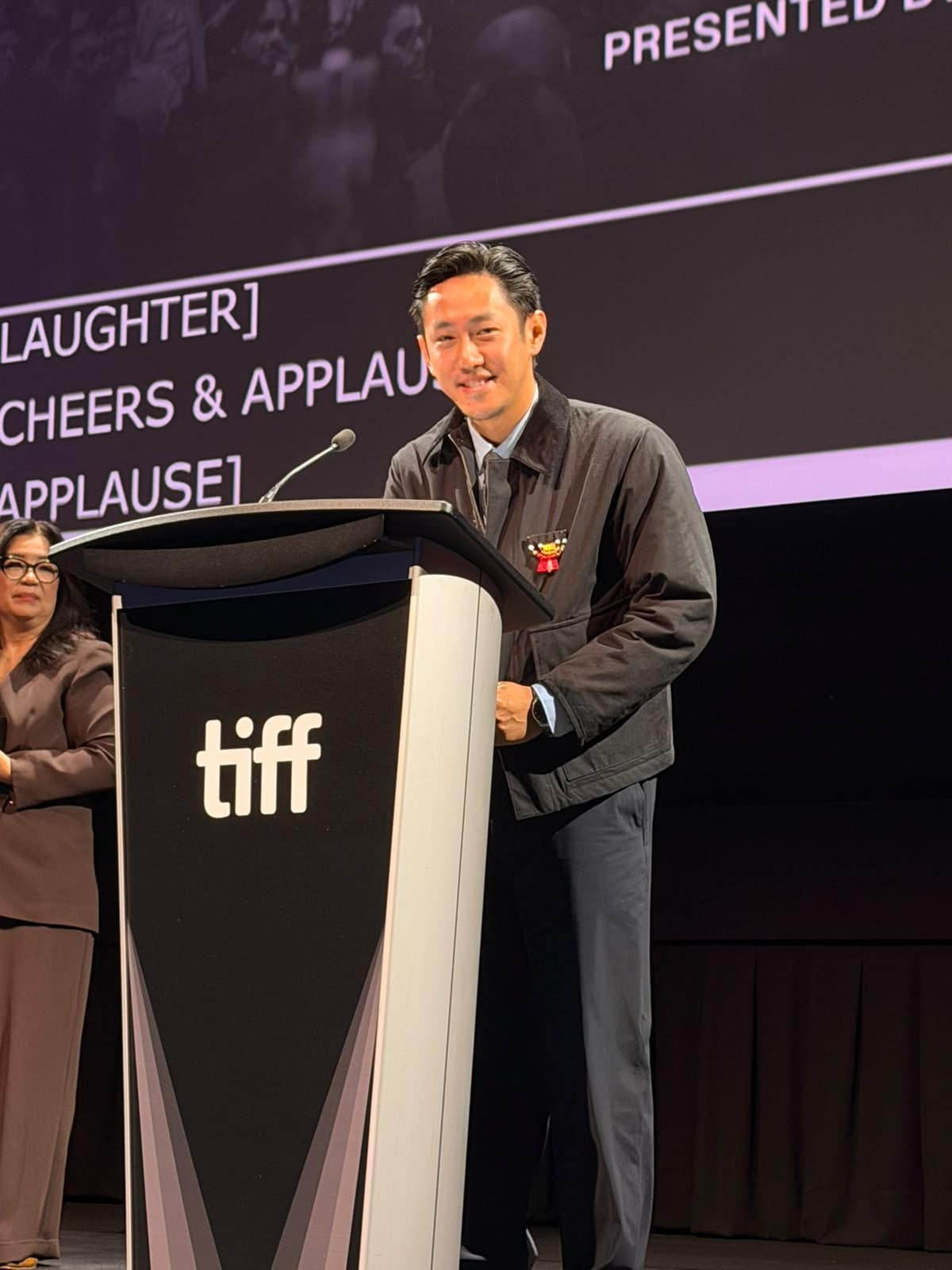
Writer-director Theja Rio’s Konyak-language drama Angh, has qualified for the Oscars race after winning the Platform Prize at the 2026 Toronto International Film Festival, and the filmmaker is hopeful of a nomination.
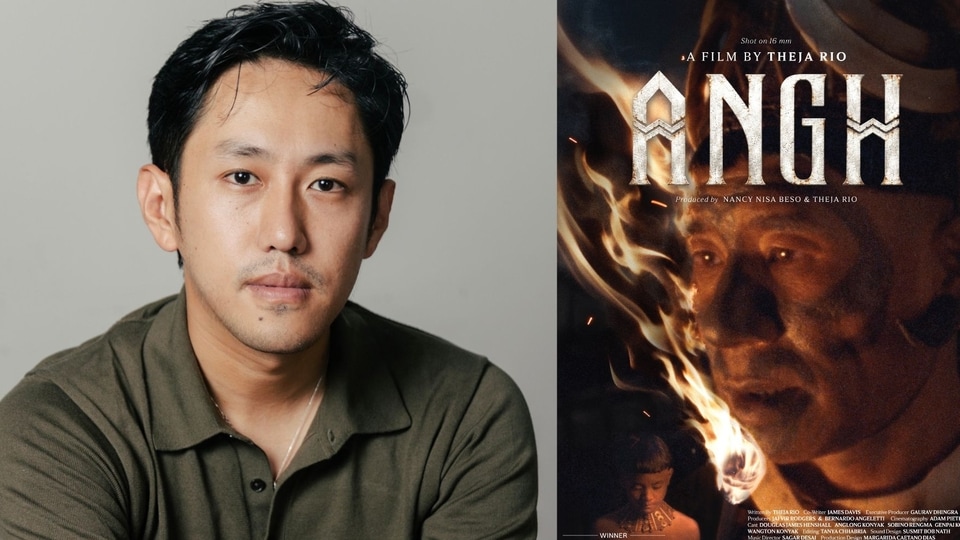
Angh, the Nagaland-based filmmaker’s directorial debut, is among 105 films from across the world, including the Marathi film Gondhal which is India’s official entry, vying for the Best Foreign Film category nominations at the 99th Academy Awards next year. “Now we have to campaign as we want to get shortlisted and eventually be nominated. I hope my film, along with Gondhal, makes it,” he says.
Rio asserts that he didn’t make the film with awards in mind. “My priority was to tell a unique story about Nagaland, which remains underrepresented. We have a lot of original stories which the world hasn’t witnessed yet,” he shares.
Angh is expanded from Rio’s own 2021 short by the same name. It was his encounter with the Konyak tribes that inspired the short as he wanted to make a film on them. The success on the festival circuit prompted him to expand it into a feature film.
“I decided to make the short film in 2018 and while traveling around the Mon area when I came to know about the Konyak tribes. Even to someone from Nagaland it was a cultural shock because the Konyaks are so rich in culture, the old traditional system is still quite prevalent in their region," he says and adds, "I was quite struck by seeing these tattooed faces and them wearing modern clothes and decided to write a film about a tribe who have had to be subjected to a very quick and rapid change.”
The filmmaker believes that film festivals have given North-East films “more recognition” than the mainstream film industry. “These film festivals recognise our work and that’s the reason more independent and regional films are being submitted. Strangely, these films get success outside first and then gain recognition in India. The media also picks it up and the audiences also become aware of these films. As a result, the mainstream film industry is now slowly starting to back small films,” he asserts.
He hopes success opens new avenues for makers from North-East. “To have more authentic representation, it’s important that writers, makers and actors get the budget and space to create on their own. Producers need to trust our stories and makers as if executed well can-do wonders. International film festivals really recognize the work and that makers are now aware in India and that’s the reason more independent and regional films are being submitted,” he says.
Rio feels that the global success of films from the North-East such as Angh, Tribeny Rai’s Shape of Momo, Lakshmipriya Devi’s Boong, Rima Das’s Village Rockers and work Pradip Kurbah and Dominic Sangma, gives confidence to more aspiring filmmakers from the region.
As for the film’s release in India, Rio plans to do it early next year after finishing its Oscar campaign. “I’ve also shot my second film and it, too, is set in Nagaland. It’s a love letter to the world I knew growing up. It's like a much smaller film than Angh but it’s very close to my heart.” he ends.


