E-Paper



In a first, govt plans community service as punishment for petty crimes
The alternative sentencing model is popular in some western countries, including the UK, US and Australia

 Prefer HTon Google


The central government, for the first time in the country, has proposed to introduce community service as one of the punishments for “petty” offences, including for criminal defamation that cost Congress leader Rahul Gandhi at least 130 days of his membership of Parliament before the guilty verdict against him was stayed by the Supreme Court on August 4.
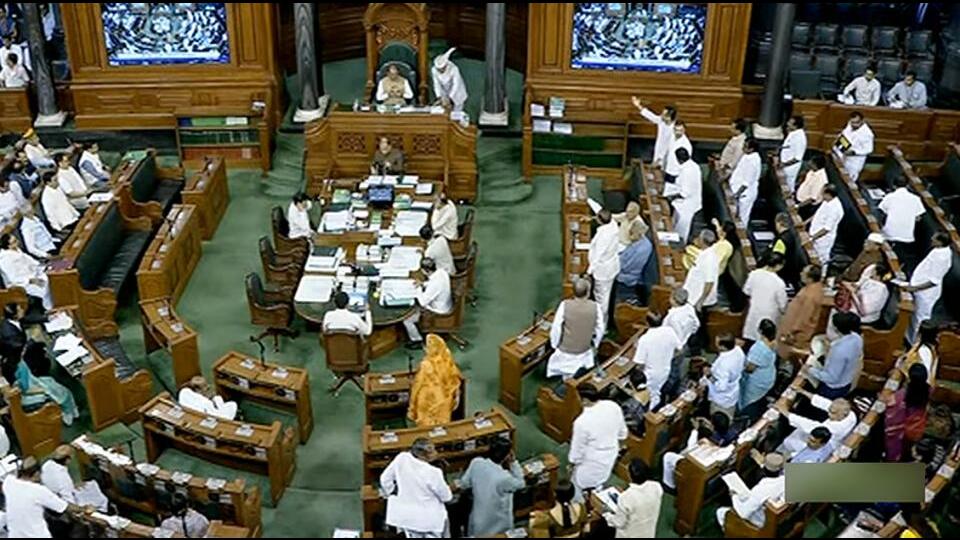
The statement of object and reasons of the Bharatiya Nyaya Sanhita Bill, 2023, tabled by Union home minister Amit Shah, maintained that “it is proposed to provide (for the) first time community service as one of the punishments for petty offences.”
The most striking provision under which community service has been conceived as an alternative punishment pertains to criminal defamation where the maximum punishment continues to be two years in jail, but a convict can be let off only with an order to provide community service in the wisdom of a court. The government’s move puts the defamation under the category of a pretty offence.
Section 354(2) of the 2023 Bill states: “Whoever defames another shall be punished with simple imprisonment for a term which may extend to two years, or with fine, or with both or with community service.”
Some of the other penal provisions where community service has been mulled as one of the punishments relate to public servants unlawfully engaging in trade; non-appearance in response to a proclamation notice; for a theft of properties valued at less than ₹5,000 which has been made good for by the convict; and trespass in an intoxicated state.
While community service has so far not been part of the criminal justice system of India, the alternative sentencing model is popular in some western countries, including the UK, US and Australia.
In the UK, community service is referred to as payback to the community and is implemented by the Ministry of Justice. Community sentence in the UK is awarded by the court if someone is convicted of a crime but not sent to prison. As described by the ministry of justice, the convict needs to do unpaid work in the local community, like removal of graffiti, and is known as “community payback”. According to the information available on the website of the UK’s ministry of justice, in 2019 alone there were 80,039 orders passed in the country that related to this.
In the US, community service as a form of punishment began in California in the 1960s as judges started imposing work assignments as an alternative to jail terms. The practice was soon replicated by courts in other states and the offenders in petty criminal cases were ordered to provide free labour for public works and public agencies that involved cleaning litter from parks and playgrounds, sweeping in public places, serving at hospitals and social service centres, among others.
Each state in Australia has its own criminal justice administration system and their own community service schemes and programmes, popularly known as “Community Based Corrections”. According to data available on the website of the Australian Bureau of Statistics, there were at least 70,000 people serving community-based correction orders every year between 2018 and 2022.
In India, the Juvenile Justice Act is the only statute that prescribes community service as a form of punishment. Section 18(1)(c) of this Act provides that a delinquent in conflict with the law can be awarded community service if the Juvenile Justice Board deems it proper.