E-Paper



High vigilance necessary for H1N1, no cause for panic, says Indian Medical Association; warns against antibiotics use
According to the advisory, ICMR has confirmed that the circulating virus remains seasonal Influenza A (H1N1), with no novel genetic mutations detected.

 Prefer HTon Google


The Indian Medical Association (IMA) has issued a public health advisory on the seasonal surge in H1N1, also known as swine flu, urging people not to panic and to avoid self-medication. It also warned against the unnecessary use of antibiotics.
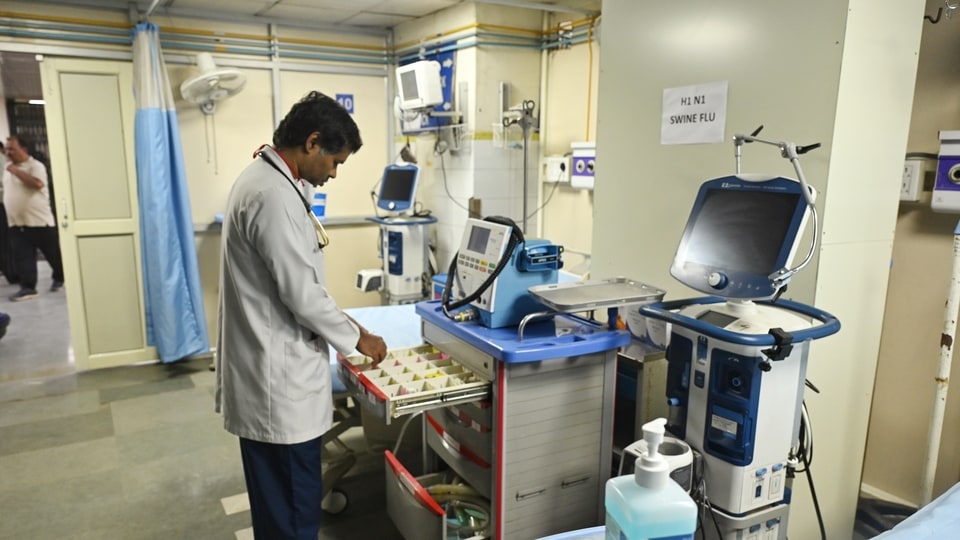
"The majority of H1N1 infections are mild and self-limiting. While heightened vigilance is necessary, there is no cause for panic," the IMA said in its advisory.
The advisory said surveillance by the Indian Council of Medical Research (ICMR) has confirmed that the circulating virus remains seasonal Influenza A (H1N1), with no novel genetic mutations detected.
Deep Dive

Also Read | 98% flu cases this season down to H1N1: ICMR
The IMA stressed that Influenza A (H1N1) is a viral illness and that antibiotics do not kill viruses.
"Do not consume Azithromycin, Amoxicillin-Clavulanate, Cefixime, or other antibiotics for flu symptoms," it said, warning that indiscriminate antibiotic use during viral surges can destroy protective microbiome flora and fuel antimicrobial resistance (AMR).
The IMA clarified that antibiotics should be used only when a qualified physician diagnoses a secondary bacterial infection based on clinical and laboratory findings.
Also Read | Swine flu: Identify, track swine flu cases, UP advisory to hospitals
IMA lists H1N1 symptoms
According to the Ministry of Health, below are some common symptoms of swine flu.
1. Lethargy and lack of appetite
2. Cough and sore throat
3. Nausea and vomiting
4. Joints and muscle pain
5. Runny nose
6. Fever
7. Headache
8. Diarrhea
If symptoms persist beyond 5–6 days, or occur in young children, elderly persons or those with underlying medical conditions should consult a doctor or visit their nearest government health facility, said MoH via a X post.
Measures to prevent H1N1
The IMA advised people to follow preventive measures, including washing their hands frequently with soap and water for at least 20 seconds or using an alcohol-based hand sanitiser.
It also recommended covering the mouth and nose with a tissue or bent elbow while coughing or sneezing, and wearing a well-fitted mask in crowded and enclosed spaces.
"Stay home when sick: Avoid schools, workplaces, and social gatherings for at least 24 hours after fever has resolved without fever-reducing medications," the advisory said.
Also Read | Swine flu spikes in Delhi: Schools brace as cases cross 2,000
The IMA also strongly recommended annual seasonal influenza vaccination for healthcare personnel, pregnant women, the elderly and people with underlying chronic medical conditions.
Swine flu grips Delhi
India is witnessing a seasonal rise in H1N1 cases, with metropolitan centres such as Delhi reporting more than 1,770 laboratory-confirmed cases, IMA said. Cases have also been reported in Maharashtra, Karnataka and West Bengal.
Delhi health minister Pankaj Kumar Singh chaired an inter-sectoral review meeting to assess the rising trend of seasonal influenza and directed civic authorities and local cantonment boards to intensify preventive measures, according a PTI report.
Singh asked the MCD, NDMC and Delhi Cantonment to expedite anti-larval operations, spraying and fogging, particularly in and around schools, hospitals and other public places, while ensuring effective source reduction, said the same report.