E-Paper



India distances itself from Sheikh Hasina’s presser, says it has no connection
Randhir Jaiswal declined to comment on another question about Hasina’s plans to return to Bangladesh from self-exile in India by December.


The Indian government on Tuesday distanced itself from former Bangladesh prime minister Sheikh Hasina’s plans to address a virtual news conference on August 5, saying it has no involvement in the event being organised by a private entity and does not endorse views that may be expressed at the forum.
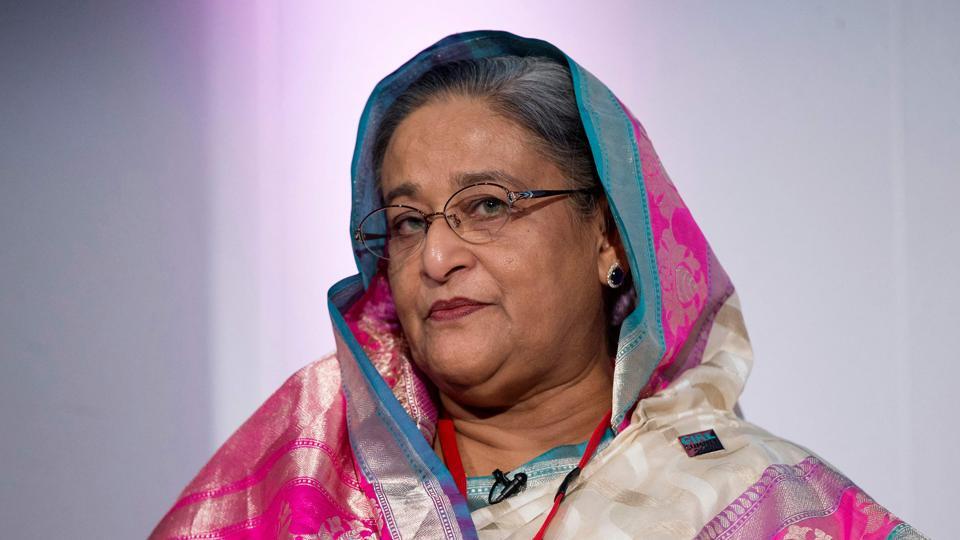
External affairs ministry spokesperson Randhir Jaiswal outlined the Indian side’s position on the event to be addressed by Hasina at the Foreign Correspondents Club in New Delhi a day after a top aide of Bangladesh Prime Minister Tarique Rahman told Indian high commissioner Dinesh Trivedi in Dhaka that the news conference could undermine bilateral relations.
“The interaction that you are referring to is being organised by a private media entity,” Jaiswal told a regular media briefing while responding to a question about Hasina’s planned news conference.
“The government has no involvement whatsoever in it. Neither does it endorse any views that may be expressed at the forum,” he said. “We have no connection to it.”
Jaiswal declined to comment on another question about Hasina’s plans to return to Bangladesh from self-exile in India by December.
Hasina is expected to detail her plans for her homecoming at her first virtual interaction with the media in New Delhi in the evening on August 5. She will also “outline her vision for Bangladesh”, according to the organisers of the event.
Dhaka on Tuesday warned the country’s media not to publicise Hasina’s statements, and pointed to a ban imposed by the International Crimes Tribunal on the publication of Hasina’s remarks in the Bangladeshi media.
A statement issued by Bangladesh’s Press Information Department in Dhaka noted that the tribunal had directed the information ministry, ICT department and Bangladesh Telecommunication Regulatory Commission to enforce the ban. It further pointed out that the National Cyber Security Agency too had asked media organisations not to carry Hasina’s comments.
The deposed 78-year-old former premier has lived in India since she fled Dhaka since the collapse of her government in August 2024, following weeks of violent protests led by student groups. She has said in recent interviews that she intends to go back home by December and surrender to the courts.
Bangladeshi officials have said Hasina, who has been given the death sentence by a tribunal for ordering a lethal crackdown on student protesters, will be arrested on arrival. The Bangladesh Nationalist Party (BNP) government has also sought Hasina’s extradition, and the Indian side has said the request is being examined in line with legal and judicial processes.
On Monday, Humaiun Kobir, adviser on foreign affairs to the Bangladesh PM, told Indian envoy Trivedi during a meeting in Dhaka that Hasina’s planned news conference can underline the positive momentum in bilateral ties. Kobir also said that Bangladesh expects India’s cooperation in ensuring that no individual, including Hasina or members of organisations whose activities have been banned, can use Indian soil to deliver political statements or engage in activities “aimed at destabilising” Bangladesh, according to a statement from the foreign ministry in Dhaka.