E-Paper



In memoir, Sonia Gandhi recalls UPA power dynamics with Manmohan, Pranab’s 2010 PM post hint
Sonia Gandhi says in her memoir that there was a clear division of power during the UPA era, with Manmohan Singh running government and her leading Congress.

 Prefer HTon Google


Congress Parliamentary Party (CPP) chairperson Sonia Gandhi has revealed in her memoir that there was always a clear division of power during the United Progressive Alliance (UPA) era, and that former Prime Minister Manmohan Singh ran the government while she ran the party.

Denying that government files were ever shown to her - an allegation made in previous books - Gandhi, in ‘Belonging: A Journey of Love’ , says she gave her inputs on government formation so that those who had served the party for years when they were out of power were taken care of. But she says that the allegations that she sent for files from the PMO were "malicious and totally false".
She also reveals that she - along with her children Rahul Gandhi and Priyanka Gandhi Vadra - had decided months before the 2004 general elections result that she would never become PM, something her children insisted on because of safety concerns.
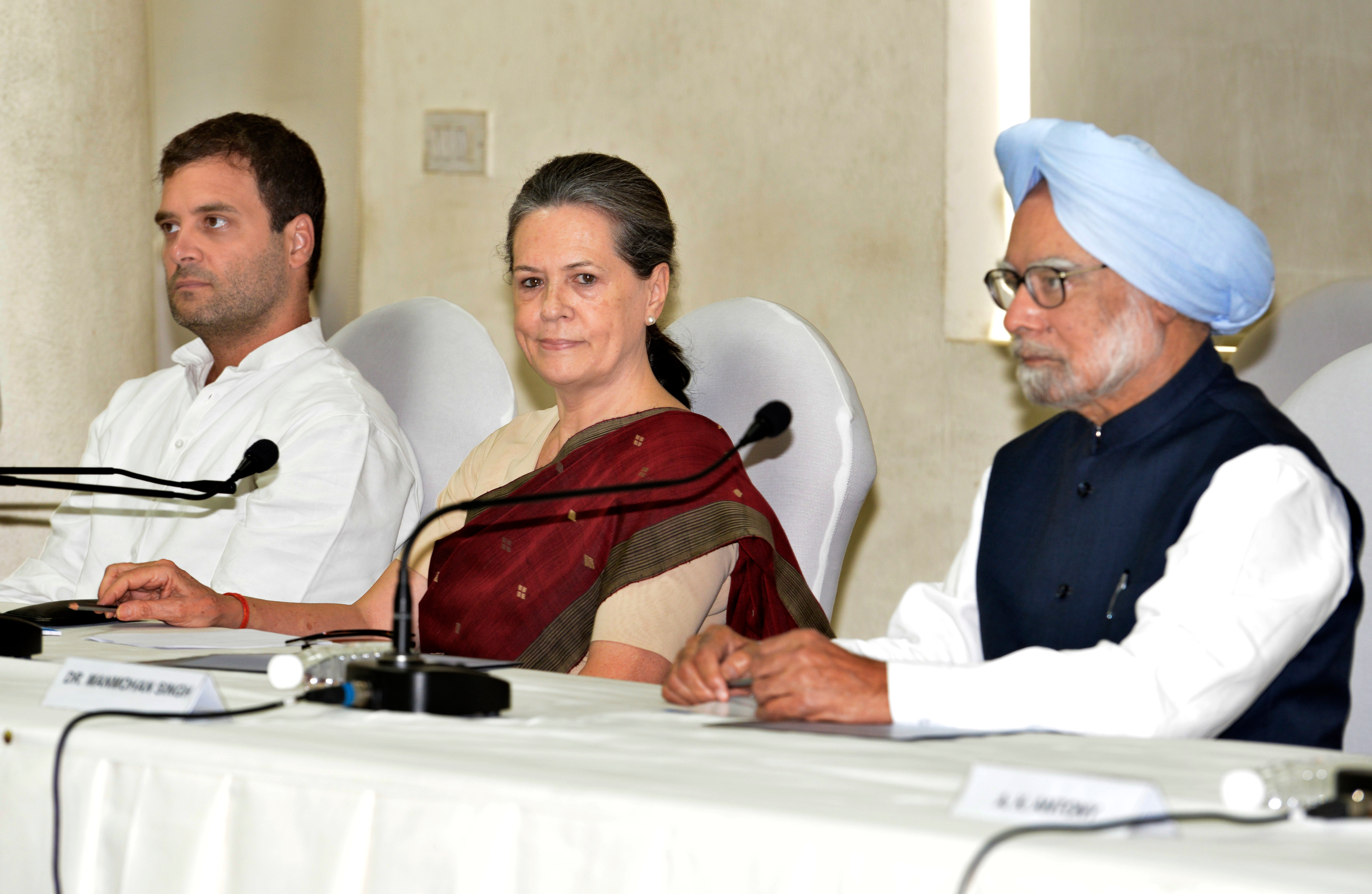
Singh was chosen because his image as the man who liberalised the economy in 1991 would offset those who had concerns about the Left supporting the UPA government from the outside.
On turning down Pranab Mukherjee
Former President Pranab Mukherjee and his daughter, Sharmishtha Mukherjee, have hinted in the past about Gandhi’s reluctance to make him PM, even though he was the senior most in the UPA Cabinet.
Gandhi reveals in the memoir that Mukherjee had suggested to her in 2010 – a year after the UPA came back to power – that there should be a change in PM. “He shocked me with the suggestion that perhaps it was time for a change at the top, which I understood as a hint of his long-held desire to become prime minister. I gently changed the subject, and though he may have been disappointed, he never made me feel he held it against me,” she writes, saying this was around the time Mukherjee had serious differences with P Chidambaram.
She also writes about a tense Congress meeting in Shimla in July 2003 – at the time, there was internal dissent about tying up with other allies – when she found herself shut out of a discussion.
“What are they discussing, I asked. There was a hesitant pause and then a hesitant answer “They’re discussing who should lead the party in the elections,” she writes. Stunned, Gandhi says she felt "wounded" that her party colleagues saw her as an outsider and sent a message that as Congress president, she would lead the campaign.