E-Paper



Muslim inheritance challenge may hinge on Sabarimala verdict: Supreme Court
The petitioners have argued that the rules discriminate against Muslim women by, among other things, assigning them smaller shares of inheritance than men.

 Prefer HTon Google


The Supreme Court on Wednesday indicated that petitions challenging Muslim inheritance rules as discriminatory towards women may have to await the verdict in the long-pending nine-judge bench reference arising from the 2018 Sabarimala judgment, saying the constitutional questions being examined in the two proceedings could overlap.
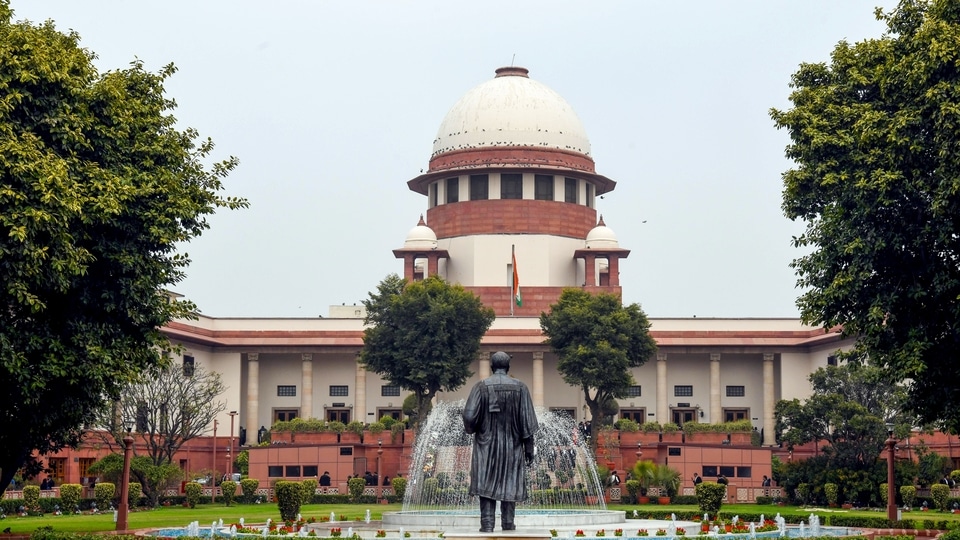
A bench, comprising Chief Justice of India (CJI) Surya Kant and justices Joymalya Bagchi and V Mohana, said the nine-judge bench’s decision on the scope of judicial intervention in matters of religion, personal law and custom was likely to “have a bearing” on the challenge to Muslim inheritance and succession rules.
The court also identified the central question before it as whether the issue was one for Parliament to address or one that could be adjudicated by the judiciary under its writ jurisdiction, particularly in the context of the legislative power contemplated under Article 25(2)(b). Article 25(2)(b) of the Constitution gives the government the power to make laws for social welfare and reform, and to open public Hindu temples to all castes and classes.
The observations came as the bench continued hearing petitions challenging provisions of the Muslim Personal Law (Shariat) Application Act, 1937, relating to intestate inheritance and testamentary succession. The petitioners have argued that the rules discriminate against Muslim women by, among other things, assigning them smaller shares of inheritance than men.
Also Read | 'How dare a magistrate do that?': CJI fumes over CJP stir notice to Noida student
Solicitor General Tushar Mehta, appearing for the Centre, told the bench that the government would file its response within a week.
The court’s suggestion to await the Sabarimala reference verdict assumes significance because the nine-judge bench, which reserved its judgment in May after 16 days of hearings, has examined some of the most fundamental questions concerning the relationship between religious freedom and constitutional rights. The reference arose from review petitions against the 2018 Sabarimala verdict, in which a five-judge bench had permitted women of all ages to enter the Sree Ayyappa temple in Kerala, overturning a custom that barred women of menstruating age.
Also Read | SC pulls up Delhi hospital for false claim on notice receipt
In 2019, the Supreme Court refrained from deciding the review petitions directly and referred a series of broader constitutional questions to a larger bench. These included the interplay between Articles 14, 25 and 26, the scope of religious freedom, the rights of religious denominations and the extent to which courts could scrutinise faith-based practices.