
 E-Paper



‘Pakistan eroded faith’: India envoy to US calls out Islamabad's ‘distraction policy’ over Indus Waters Treaty
Vinay Kwatra said Indus Waters Treaty was founded on "goodwill and friendship", but Pakistan spent decades eroding those principles through its actions.


India's Ambassador to the United States, Vinay Kwatra, has strongly defended New Delhi's decision to place the Indus Waters Treaty (IWT) in abeyance, arguing that Pakistan had effectively "destroyed" the spirit of the agreement long before India took the step.
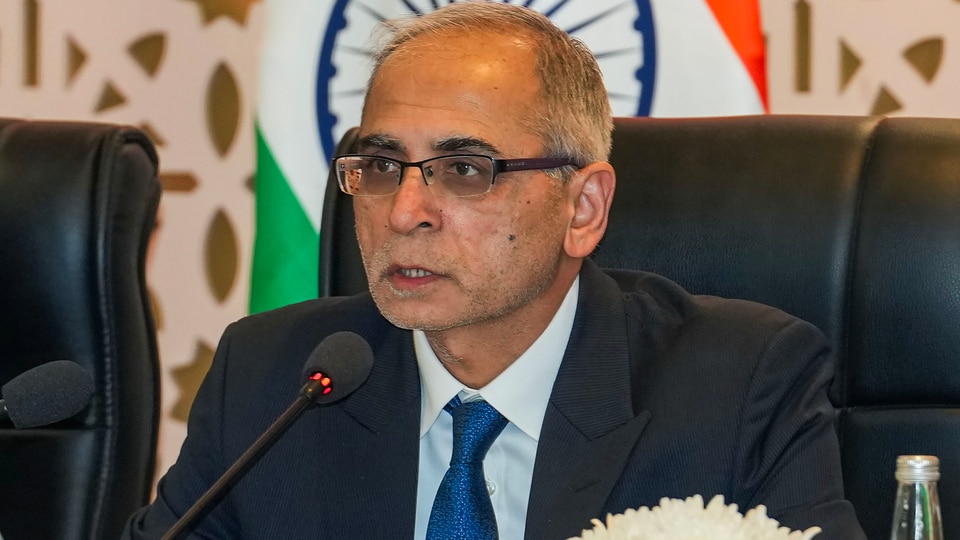
Writing in a recent opinion piece published in the US-based weekly magazine Newsweek, Kwatra said the treaty was founded on "goodwill and friendship", but Pakistan spent decades eroding those principles through its actions.
“Pakistan spent half a century dismantling that goodwill and friendship. The abeyance merely acknowledges what Pakistan's conduct had already destroyed,” the ambassador said.
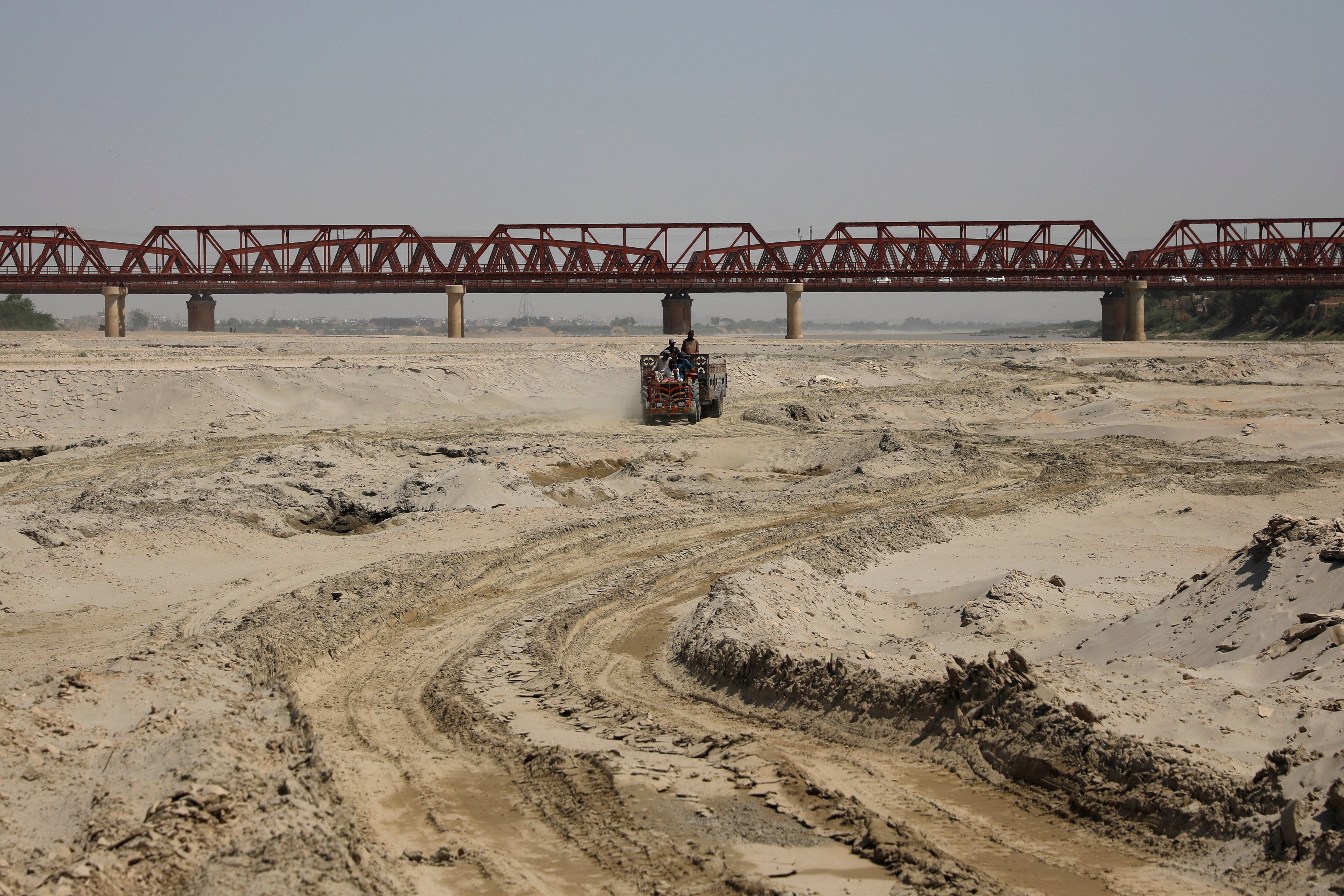
Pakistan's escape
Kwatra's remarks came weeks after Pakistan reportedly organised a conference in Islamabad to protest India's decision to suspend the treaty.
Referring to the event, he wrote, “At that gathering, a former foreign minister threatened war against India if Pakistan’s demands on the Indus River system go unmet.”
He further termed it a tactic of Islamabad to “distract from its internal problems.” He called it their “standard policy option”.
Also Read | RTI activist seeks inquiry into how Abhijeet Dipke's father funded his US education
India held its end of bargain
Recalling the history of the agreement, Kwatra noted that the 1960 Indus Waters Treaty divided the six rivers of the Indus basin between the two countries, giving India control over the three eastern rivers and Pakistan control over the three western rivers.
He said that while the arrangement gave Pakistan access to nearly 80 per cent of the basin's waters and limited India's share to around 20 per cent, New Delhi continued to honour the agreement despite the imbalance.
Kwatra also said Pakistan repeatedly blocked India's attempts to modernise or renegotiate the treaty to reflect technological changes and allow greater hydropower development.
Also Read I Jaish operative held in Bengal planned to target CM Suvendu, infiltrate Jantar Mantar protest: STF
“Bit by bit, Pakistan eroded India's faith that it could exercise its rights under the treaty, or hope for a better one suited to today's realities,” he wrote.
'Terror and talks cannot go together'
Addressing calls for renewed dialogue between India and Pakistan, Kwatra said past experience showed such engagement had failed to produce results.
“Those advocating talks between India and Pakistan have not taken note of the history of these talks in the past or they must believe that doing the same thing over and over again and expecting different results is not insanity."
"Prime Minister Narendra Modi has clearly voiced India’s stand today, “Terror and talks cannot go together... Terror and trade cannot go together…. Water and blood cannot flow together.””
The ambassador also rejected Pakistan's allegations that India was acting as a "water aggressor," saying the country's water shortages stemmed primarily from poor domestic management rather than Indian actions.
He wrote that only around 40 per cent of the water Pakistan receives reaches its farms, while more than 30 per cent is lost in transit and the remainder flows unused into the sea.
For the unversed, New Delhi's decision to hold the treaty in abeyance came a day after the April 22, 2025 terror attack in Pahalgam, Jammu and Kashmir, in which 26 people — 25 Indians and one Nepalese citizen — were killed. The attack was carried out by Pakistani and Pakistan-trained terrorists linked to the designated terror outfit Lashkar-e-Taiba.


