E-Paper



'Strike our assets and you get struck': Iran warns US of retaliation over fresh attacks
Mohammad Baqer Ghalibaf issued the warning, saying the region’s energy infrastructure and US oil and gas interests remained vulnerable to retaliation

 Prefer HTon Google


Iran on Monday warned that it would retaliate against any fresh US attacks on its assets, as tensions continued to escalate in the Gulf following a weekend exchange of strikes that sent oil prices to six-week highs.
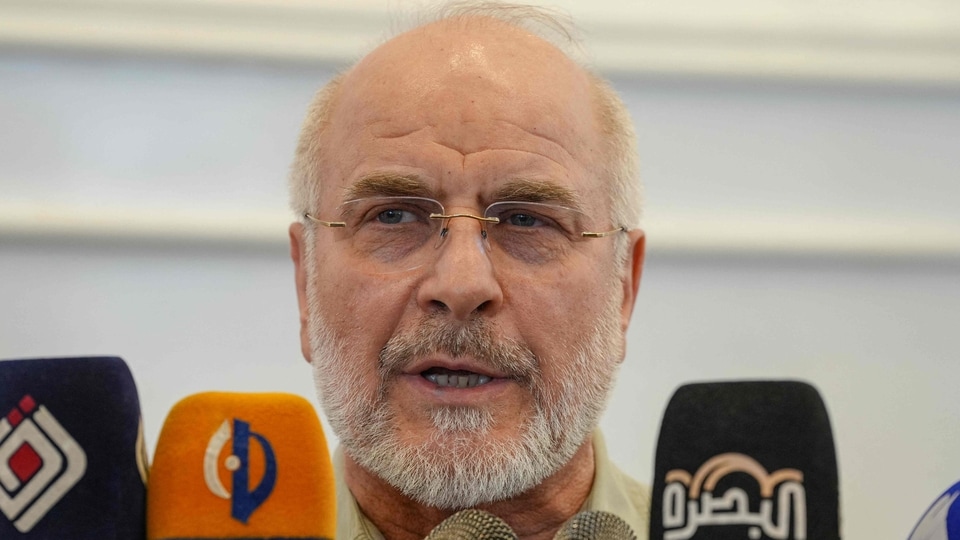
Iranian Parliament Speaker Mohammad Baqer Ghalibaf issued the warning, saying the region’s energy infrastructure and US oil and gas interests remained vulnerable to retaliation, according to a Reuters report.
Also Read | ‘Rules of war have changed’: Iran warns US of ‘more painful’ response after Gulf tanker strikes
‘Strike and get struck’: Ghalibaf
"Strike our assets and you get struck," Ghalibaf said after US and Iranian strikes on shipping over the weekend.
The warning came after senior Iranian security official Mohsen Rezaei said on Sunday that Tehran would announce plans for a new restricted zone in the Gulf and approve maps for a new shipping corridor through the Strait of Hormuz in the coming days.
Iran has restricted traffic through the strait, a crucial global route for oil and gas supplies, since the war with the United States began with US and Israeli strikes on February 28.
Rezaei said the new restricted zone would start from the point where the US naval blockade of Iran begins and extend into parts of the Gulf. Any ship entering the zone would be added to an Iranian sanctions list, he said.
"We will only commit to the Strait of Hormuz being open when they (the Americans) stop the sabotage, threats and attacks on Iran," Rezaei said.
Also Read | ‘Total lie’: US dismisses Iran claim of attack on unmanned vessel in Strait of Hormuz
Iran's response to Hegseth
Ghalibaf, who is Iran's top negotiator, also appeared to respond to US Defense Secretary Pete Hegseth's warning that Iran’s oil tanker fleet was "defenceless".
"It’s simple: the oil and gas production chain here is sprawling, accessible, and exposed. American oil and gas companies across these waters and facilities share that exposure," Ghalibaf, wrote on X.
"Strike our assets and you get struck. We’ve already proven it. Ask the bases that are no longer viable," he added, referring to Iranian attacks on US military bases in the region during the conflict.
Also Read | Did Trump make “hundreds of billions of dollars” for America from stocks? Here’s what he claimed
Iran and US exchange attacks
US President Donald Trump has yet to achieve the objectives he set when he launched "Operation Epic Fury" in February, including ending Iran's nuclear programme, preventing it from attacking neighbouring countries and creating conditions for the country's leadership to be toppled.
Iran's clerical leadership remains in power and is seeking to emerge from the conflict stronger, while demanding sanctions relief and looking to collect fees from ships using the Strait of Hormuz. The waterway carried around a fifth of global oil and gas shipments before the war.
After a pause in military action through much of August, tit-for-tat strikes have resumed following the collapse of an interim ceasefire agreement reached in June. Efforts to revive the peace process have so far made little progress.
US forces struck three Iranian oil tankers on Saturday, including one off Kharg Island, Iran's key oil export hub, according to US Central Command. The strikes followed attacks by Iran's Islamic Revolutionary Guard Corps on US warships in the region.
Tehran has demonstrated that it retains the ability to target US interests in neighbouring countries and disrupt oil flows through the Strait of Hormuz.
An average of 10 commodity ships passed through the strait each day over the past 10 days, the lowest level since May, according to shipping data on Monday.
The reduced traffic contributed to a rise in oil prices, with Brent crude futures reaching $97.93 a barrel, their highest level since July 24, before easing to $96.19.
Also Read | ‘Total lie’: US dismisses Iran claim of attack on unmanned vessel in Strait of Hormuz
Sanctions and oil blockade squeeze economy
Iran has said it will intensify efforts to address problems caused by US sanctions, which have placed increasing pressure on its economy.
However, the US campaign to restrict Iran's economy by blocking its oil exports and curbing sanctions evasion is becoming increasingly difficult for Tehran to withstand, three senior Iranian sources said.
Ghalibaf said over the weekend that, alongside the military front, Iran's main battle was now focused on production and people's livelihoods. He cited currency fluctuations, inflation, unemployment and market management among the country's key challenges.