
 E-Paper



The duty to protect our air continues long after Diwali, writes Delhi CM Rekha Gupta
Delhi has deployed 337 anti-smog guns, 260 water sprinklers and 102 mechanical road-sweeping machines to tackle dust and pollution hotspots.

 Prefer HTon Google


Diwali is a festival of light, laughter, family, happiness, togetherness and lots of preparations to welcome and celebrate with our near and dear ones. This time, the Delhi government, under the guidance and leadership of PM Narendra Modi Ji, also did its preparations to ensure that the capital breathes easier. PM Narendra Modi Ji’s Mission LiFE reminds us that protecting the environment is a commitment reflected in our everyday choices. This Diwali, we are taking that commitment forward through stronger pollution-control measures and Jan-Bhagidari.
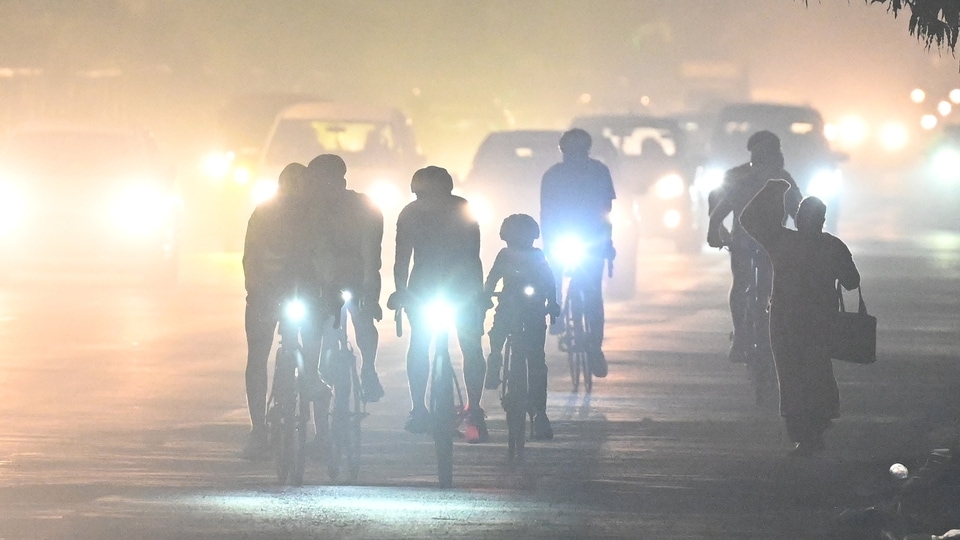
We entered the ongoing festive season with encouraging gains. Delhi’s average October Air Quality Index was 167, against 224 in 2025, its lowest October level since 2018. From January to October, Delhi recorded 220 days with daily AQI below 200. These figures signal progress, but falling temperatures and slower winds can quickly worsen pollution. Our approach is to act before smog takes hold.
Also read: PM Modi extends Diwali wishes, to celebrate festival with jawans today
Under our Winter Action Plan 2026-27, dust-generating demolition and outdoor civil construction have been prohibited from November 1 to January 31. Also, a complete halt to construction and demolition from December 10 to January 20. Road dust rarely makes headlines, but enters our lungs daily. By September, 1,245 kilometres of road redevelopment had been completed, with more targeted for November. Forty-three pollution and traffic hotspots have been rectified, while work continued at others. We have insisted on paved surfaces and a 72-hour procedure for road and dust complaints. The NHAI has deployed 13 mechanical road-sweeping machines, 11 anti-smog guns and 24 water sprinklers. The MCD has deployed 66 mechanical road-sweeping machines, 40 anti-smog guns and 110 water sprinklers, with teams assigned to 46 identified pollution hotspots. To strengthen dust-control measures across Delhi, we have deployed 337 anti-smog guns, 260 water sprinklers and 102 mechanical road-sweeping machines, ensuring more effective cleaning of roads and pollution-prone areas.
With Diwali vibes at their peak and winter conditions becoming more challenging, our government has strengthened preventive measures. These efforts are complemented by the Commission for Air Quality Management’s directions restricting construction activities across the NCR and limiting physical office attendance to 50% from November 5 to 20. Stage 2 and Stage 3 of the Graded Response Action Plan (Grap) were also invoked.
Also read: Delhi breathes worst air on Diwali eve in 10 yearsCleaner mobility is equally important. On October 13, I flagged off 150 new electric buses, taking Delhi’s electric fleet past 5,200. We are pursuing “No PUCC, No Fuel” with number-plate recognition at fuel stations, and restricting certain older vehicles from entering Delhi. Last-mile connectivity at 228 Metro stations is another piece of the alternative to driving. In February, the PM Narendra Modi Ji dedicated the entire 82-km Delhi-Meerut Namo Bharat corridor to the nation. In March, the Pink Line was completed as India’s first ring Metro, and more Phase 4 Metro corridors are under construction.
Pollution must be detected and addressed. Thirteen new continuous air-quality monitoring stations were inaugurated in October, expanding Delhi’s network from 47 to 59. At Shastri Park, the Delhi Pollution Control Committee’s AI-enabled Integrated Command and Control Centre brings together information on air quality, dust, industrial emissions, complaints and enforcement vehicles. Nine of 15 planned data systems were integrated by mid-October.
With the same seriousness, we are also tackling the issue of industry and waste burning. Government inspections between December 2025 and September 2026 covered 11,271 industrial units; 2,283 were sealed or closed for air or water pollution violations, including 1,665 for air pollution. Tighter industry emission standards took effect in October. Delhi also increased the number of reported material recovery and sorting centres from 76 to 98.
Also read: Adapting to AQI: Delhi’s hotels and restaurants step up to face the smog
Greening is another long-term responsibility. Taking forward PM Narendra Modi Ji’s “Ek Ped Maa Ke Naam” initiative, our government has encouraged citizens to participate in making Delhi greener. By September, we had undertaken 71 lakh plantations and successfully greened 433 acres of identified brown land.
No government can win this battle by working alone; “Jan Bhagidari is a must for Jan Kalyan”. The duty to protect our air continues long after Diwali ends. Together, we can make the festival of lights a promise of clearer skies in the years to come. With PM Narendra Modi Ji’s mantra of “Sabka Saath, Sabka Vikas, Sabka Vishwas aur Sabka Prayaas”, we will win this fight against air pollution.


