
 E-Paper



American climber's remains found on Broad Peak after fatal avalanche
Climber Geis’ remains were found by a team made up of local volunteers. The expedition was Geis’ first attempt to climb an 8,000-meter (26,247-foot) peak.


The body of US climber Sarah Mallory Geis, one of the 10 mountaineers caught in a deadly avalanche on Broad Peak in Pakistan-occupied Kashmir (PoK) last month, was recovered from the mountain on Friday, the Alpine Club of Pakistan (ACP) said.
Geis, 39, was part of an international expedition led by renowned British-Nepali mountaineer Nirmal Purja, which was struck by an avalanche on July 30 at an altitude of around 7,000 metres while attempting to summit Broad Peak, one of the most demanding peaks in Karakoram range.
The avalanche severed contact with all 10 members of the expedition, triggering a difficult search and rescue operation.
The bodies of eight climbers were recovered in subsequent search missions, but Geis and Nepali climber Nawang Thindu Sherpa remained missing despite sustained efforts to locate them.
In a statement, ACP president retired Major General Irfan Arshad Khan said on Friday that Geis' body had been located on the slopes of Broad Peak by local rescue volunteers.
"The body has been identified as Geis. It is being shifted to base camp and will subsequently be airlifted to Skardu by Pakistan Army helicopters," he said, adding that efforts to locate the remaining missing climber would continue.
The 10-member expedition comprised six Nepali climbers and one each from Pakistan, Oman, the United States and China.
Also Read | Nirmal Purja's last moment captured on PoK's Broad Peak. See photo
Apart from Purja, those whose bodies have been recovered include Pur Bahadur Gurung, Kili Pemba Sherpa, Nima Sherpa and Gyalu Sherpa from Nepal; Omani climber Nadhira Ahmed Abdullah Al Harthy; Chinese climber Wang Zhong; and Pakistani mountaineer Sohail Sakhi.
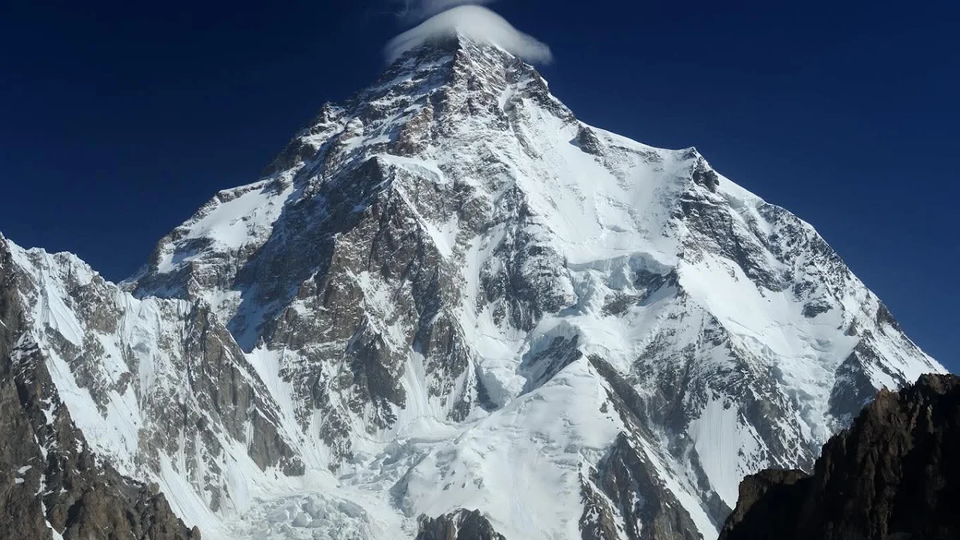
At 8,051 metres, Broad Peak is the world's 12th-highest mountain. Located near K2, it remains a major challenge for even experienced high-altitude climbers.


