E-Paper



Sheikh Hasina’s event can hit positive momentum in ties, says top aide to Bangladesh PM
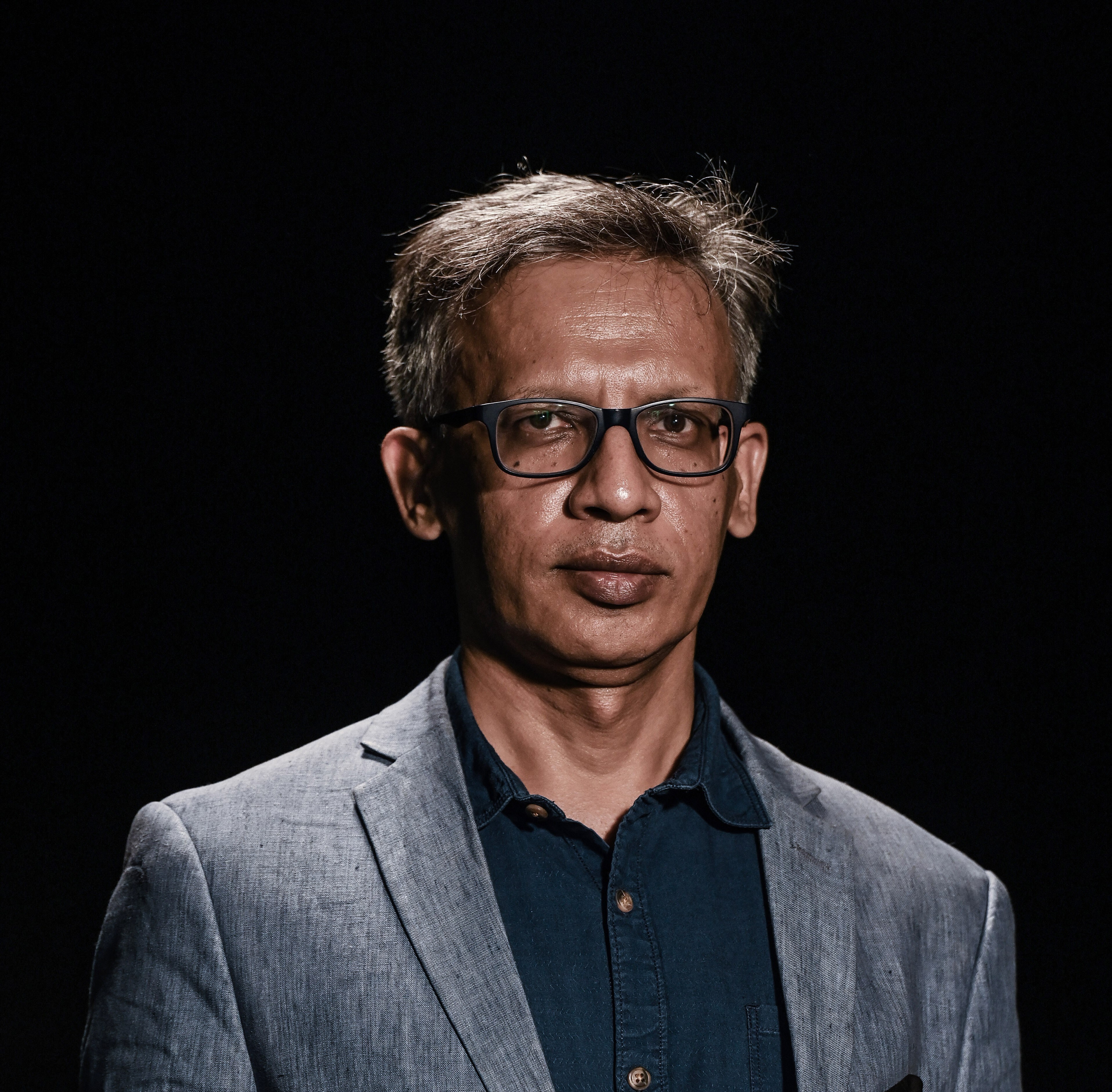
Humaiun Kobir, adviser on foreign affairs to PM Tarique Rahman, conveyed the message to Dinesh Trivedi during a meeting at the Prime Minister’s Office in Dhaka


Bangladesh believes former prime minister Sheikh Hasina’s plans to address a news conference in New Delhi can undermine the positive momentum in relations with India, a top aide of the Bangladesh Prime Minister told Indian high commissioner Dinesh Trivedi on Monday.
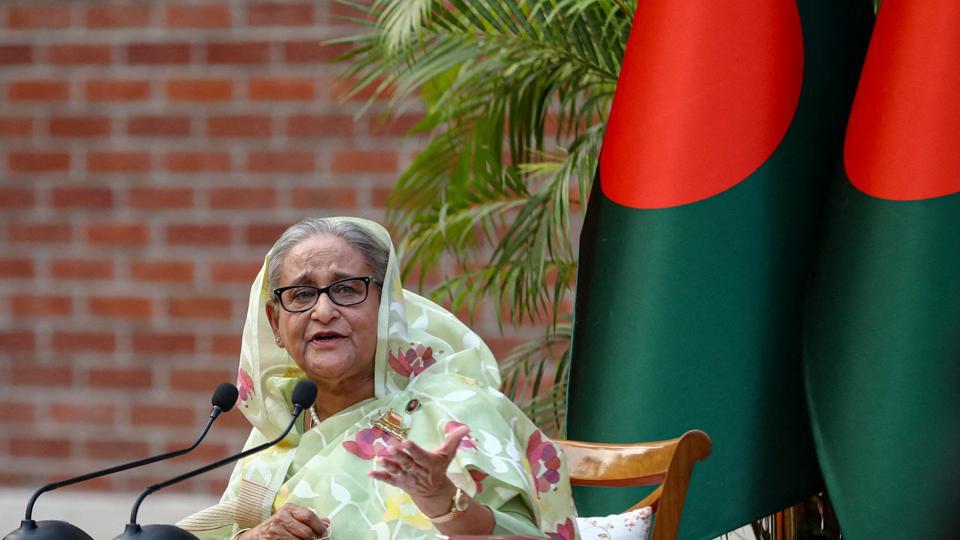
Humaiun Kobir, adviser on foreign affairs to Prime Minister Tarique Rahman, conveyed the message to Trivedi during a meeting at the Prime Minister’s Office in Dhaka, according to a statement from Bangladesh’s foreign ministry. The development came two days before a planned virtual news conference by Hasina on August 5, exactly two years after she fled to India after the collapse of her government.
Kobir told Trivedi that Bangladesh “expects India’s cooperation in ensuring that no individual – including the fugitive Sheikh Hasina or members of organisations whose activities have been banned – uses Indian territory to deliver political statements or conduct activities aimed at destabilising the situation within Bangladesh”, the statement said.
He also “noted that such activities could undermine the positive progress of bilateral relations”, according to the statement issued in Bengali.
The statement quoted Trivedi as saying that the “matter would be duly considered, necessary inquiries made, and active attention paid to the issue”.
The Indian high commission said on social media that Trivedi reiterated India’s “intent to work positively with the government of Bangladesh to advance the developmental aspirations of the peoples of India and Bangladesh”.
The discussion “focused on increasing people-centric cooperation between the two neighbouring countries, based on mutual interest and mutual benefit”, according to the social media post.
Hasina is expected to detail her plans to return to Bangladesh at her first virtual interaction with the media in New Delhi, which will be held at the Foreign Correspondents Club in the evening on August 5. She will “announce her homecoming and outline her vision for Bangladesh”, according to the organisers of the event.
The deposed 78-year-old former premier, who has lived in self-exile in India since August 2024, has said in recent interviews that she intends to go back to Bangladesh by December and surrender to the courts. Bangladeshi officials have said Hasina, who has been given the death sentence for ordering a lethal crackdown on student protesters, will be arrested on arrival.
The Bangladesh Nationalist Party (BNP) government has sought Hasina’s extradition, and the Indian side has said the request is being considered in line with legal and judicial processes.
The statement from Bangladesh’s foreign ministry further said Kobir and Trivedi reviewed various aspects of bilateral relations and discussed issues of mutual interest. They expressed optimism about further strengthening and advancing bilateral relations based on mutual respect, trust and shared interests, it said.
Both sides emphasised the importance of maintaining regular dialogue and constructive engagement, and expressed optimism that long-term and sustainable solutions to all issues can be achieved through mutual trust and discussion, the statement said.