E-Paper



Arunachal Pradesh’s Glaw Lake is India’s 101st Ramsar site: Bhupender Yadav
Ramsar sites are recognised for their biodiversity, critical habitats for migratory birds, and ecological significance, such as carbon sequestration and flood control


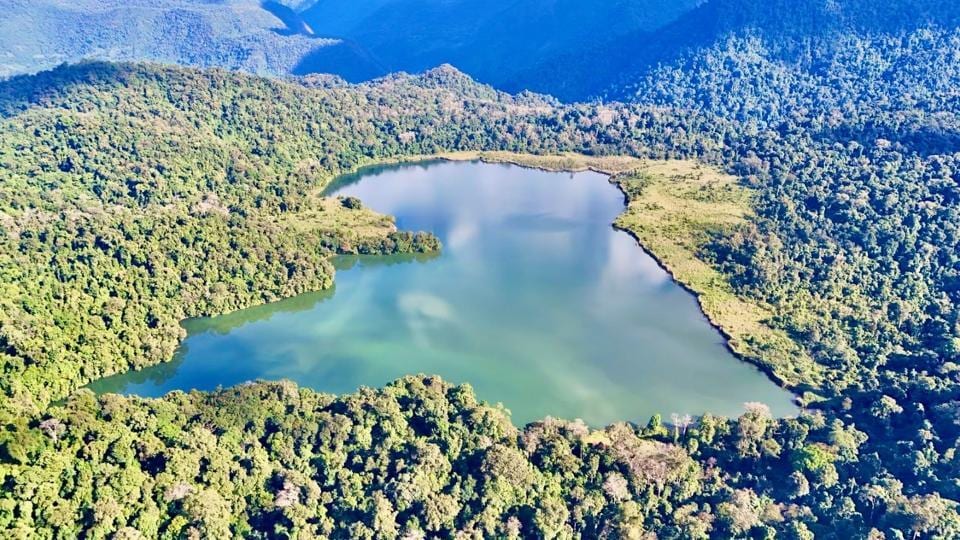
Arunachal Pradesh’s Glaw Lake has been designated as India’s 101st ‘Ramsar’ site, a wetland of International importance, Union environment minister Bhupender Yadav announced on Monday.
This is also the state’s first Ramsar site, he said.
Any wetland can designated to be of ‘International importance’ under the Ramsar Convention, an environmental treaty signed in 1971 in Ramsar, Iran. These sites are recognised for their biodiversity, critical habitats for migratory birds, and ecological significance, such as carbon sequestration and flood control.
“Delighted to announce Glaw Lake as Arunachal Pradesh’s first Ramsar Site -- a significant milestone for biodiversity, water and climate security, and sustainable livelihoods,” the minister said in a post on X on Monday evening.
The lake lies within the Kamlang Tiger Reserve and Wildlife Sanctuary and is freshwater lake in the Eastern Himalayas, which acts as a biodiversity hotspot.
“Fed by perennial mountain streams, it is surrounded by lush vegetation, with more than 150 tree species and 49 orchid species recorded within the site and its catchment,” Yadav added, stating under Prime Minister Narendra Modi’s leadership, the number of such sites in the country has grown from 26 in 2014 to 101 today.
“Every new Ramsar site strengthens our resolve to protect nature while securing the future of communities that depend on these invaluable ecosystems,” he added.
The government told the Lok Sabha in July that four new wetlands were in contention for being notified as Ramsar sites.
“The key reason for inclusion of these sites is the fulfillment of atleast one of the nine criteria of Ramsar Convention on Wetlands. Currently, proposals of four new wetlands namely, Glaw Lake (Arunachal Pradesh), Sukhna Wetland (Chandigarh), Gosabara-Mokarsagar Wetland Complex (Gujarat) and Sauj Jheel (Uttar Pradesh) have recently been submitted to the Ramsar Secretariat for their designation as Ramsar sites,” Yadav said in the reply last month.